
'When you come to Delhi, you see that there are many Kashmirs here -- the Dalits, Muslims, women, bonded labourers.'

The movement for reservations for Patels of Gujarat is full of contradictions and paradoxes, says Urvish Kothari.

The Congress, out of power in UP for 27 years is making a big pitch to bounce back, on a cocktail of caste politics and promises of agriculture debt waiver worth Rs 49,000 crore and power rate reduction for farmers hit by high input costs and diminishing returns., reports Amit Agnihotri.

'He is anything but astute or charismatic. He believes the Congress can win elections without alliances in the Hindi heartland.'

'Ashok Singhal was an amazing missionary, a monk in civil dress. His personal ego and pride simply evaporated before the national cause.'

Aditi Phadnis and Archis Mohan take a state by state takedown of the party's chances in the poll-bound states.

After five decades of existence, the Shiv Sena's support base seems to be shifting towards the rural electorate but there it has to contend with the network of Sharad Pawar and the BJP.

'Hindu voters in coastal Karnataka lean more towards Hindutva than Hinduism which explains why the Siddaramaiah government's perception as anti-Hindu worked wonders for the BJP in coastal Karnataka.'

Journalist-turned-activist Teesta Setalvad in her new book 'Foot Soldier of the Constitution: A Memoir' has spoken of the rise of communalism and the aftermath of the '02 Godhra riots. In this interview with Rediff.com's Syed Firdaus Ashraf, she discusses her book, the cases against her and the state of secularism in the country.
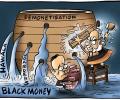
'Modi is likely to make more announcements to win or retain popularity, and put himself at the centre of things even more than now,' says T N Ninan.
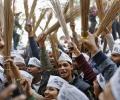
Even a 6 percent vote-share would make AAP an important player on the national scene. The key lies in strategically concentrating AAP's vote, especially in the cities, so that it can break Narendra Modi's momentum, besides defeating an already weak Congress, says Praful Bidwai.

Muzzling NGOs is unbecoming of a democracy. Self-confident democracies encourage, indeed applaud, the involvement of citizens' associations, including NGOs, in social and political decision-making and development planning. Instead, our paranoid government bullies and terrorises them, says Praful Bidwai.
